About
Set within the Victorian spa village of Strathpeffer, Highfield Lodge is surrounded by local history, Highland scenery and places worth discovering.
Frequently Asked Questions
Whether you’re planning your stay or getting ready to arrive, you’ll find answers to some of the most commonly asked questions below. If there’s anything else you’d like to know, please don’t hesitate to get in touch.
Highfield House
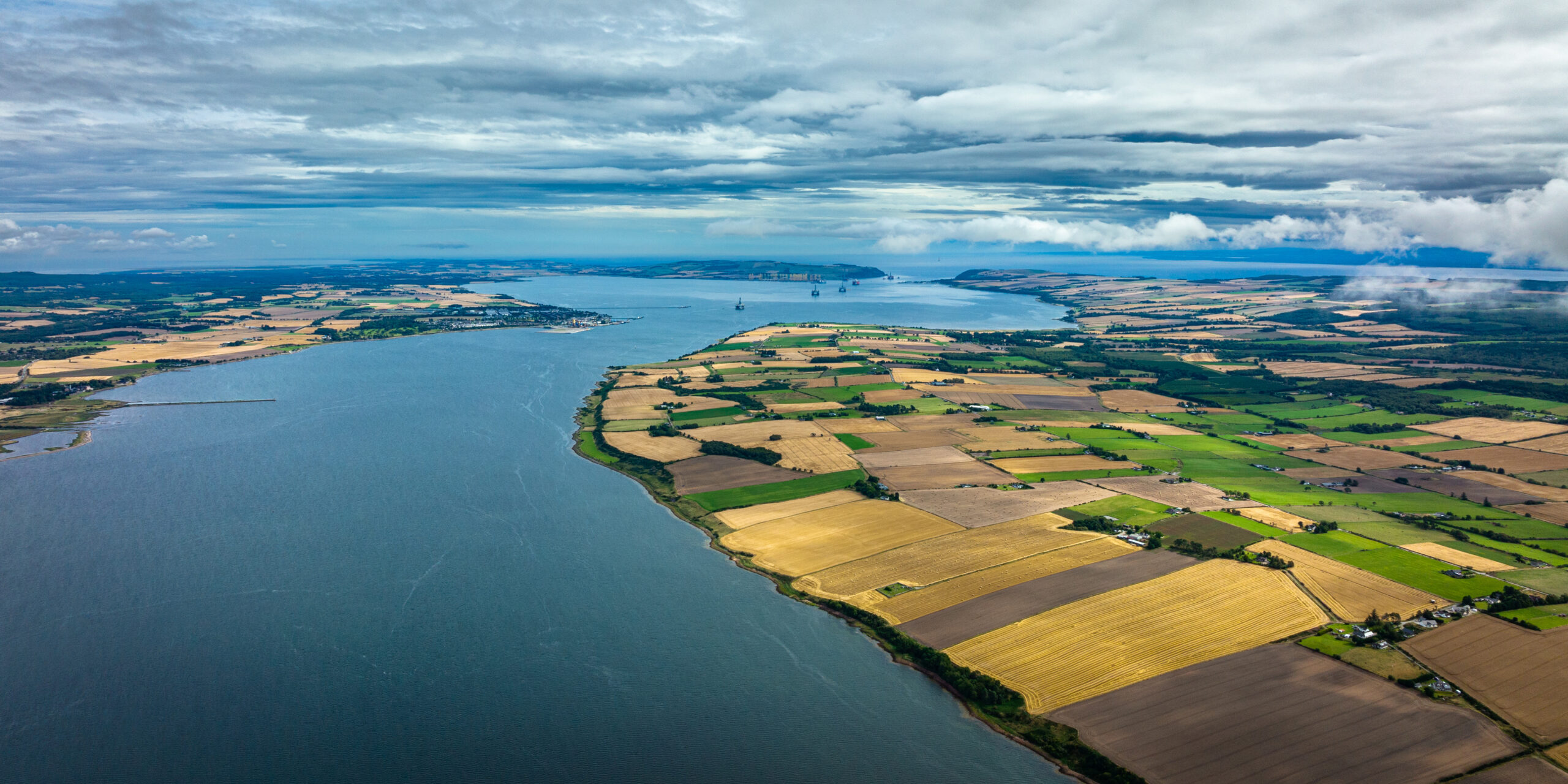
Highfield Lodge is a contemporary retreat set within the Victorian spa village of Strathpeffer, one of the Highlands’ most distinctive and picturesque destinations. Known for its grand architecture, natural springs and woodland setting, the village retains much of the character that first made it famous, while offering easy access to the wider Highlands, including the Black Isle, Inverness, Loch Ness and some of the region’s most beautiful forests, waterfalls and historic sites.
Situated within the grounds of Highfield House, the lodge shares a connection with Strathpeffer’s Victorian past. Highfield House was originally built for the gamekeeper of the Cromartie Estate at nearby Castle Leod and later operated as a guest house during the village’s spa era, welcoming visitors drawn to Strathpeffer’s mineral waters, Highland scenery and reputation as one of Scotland’s leading spa destinations.
Today, Highfield House remains a family home, while Highfield Lodge provides a peaceful base from which to experience both the character of Strathpeffer and the scenery that surrounds it. Set within the village’s conservation area, the lodge has been designed to sit sympathetically within its surroundings, with reclaimed wood furniture and photography from across the Highlands and Islands reflecting the landscape beyond the village itself.
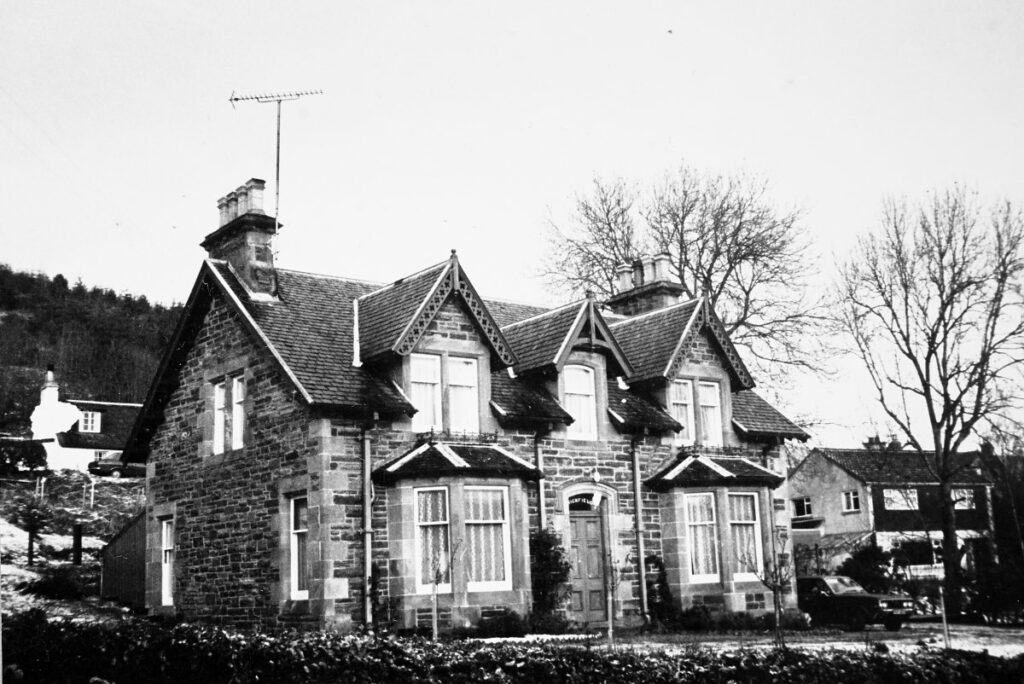
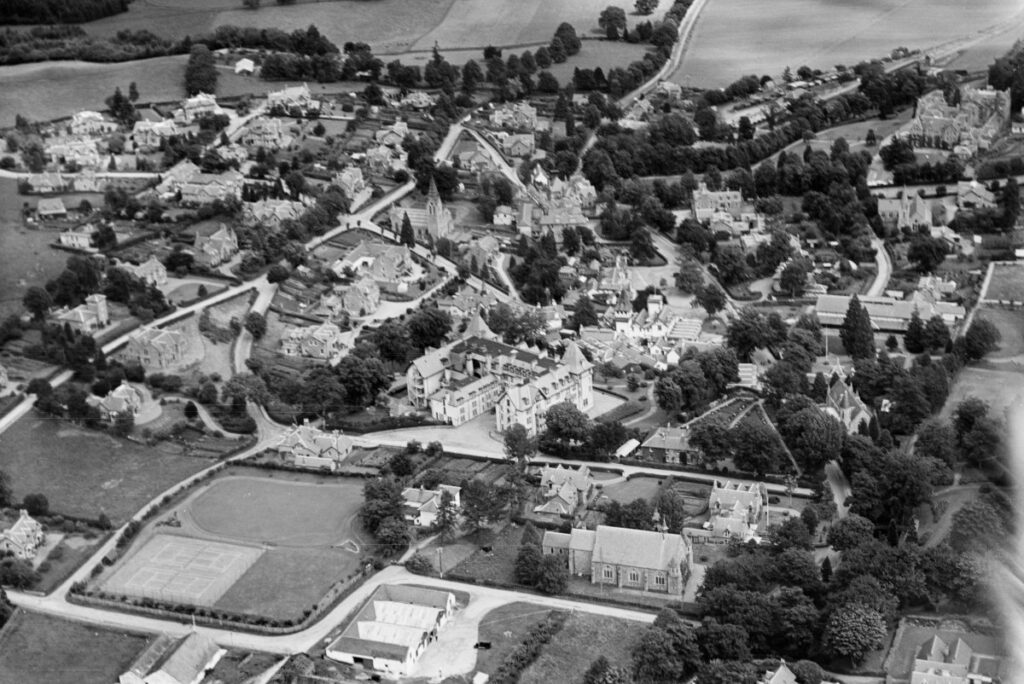
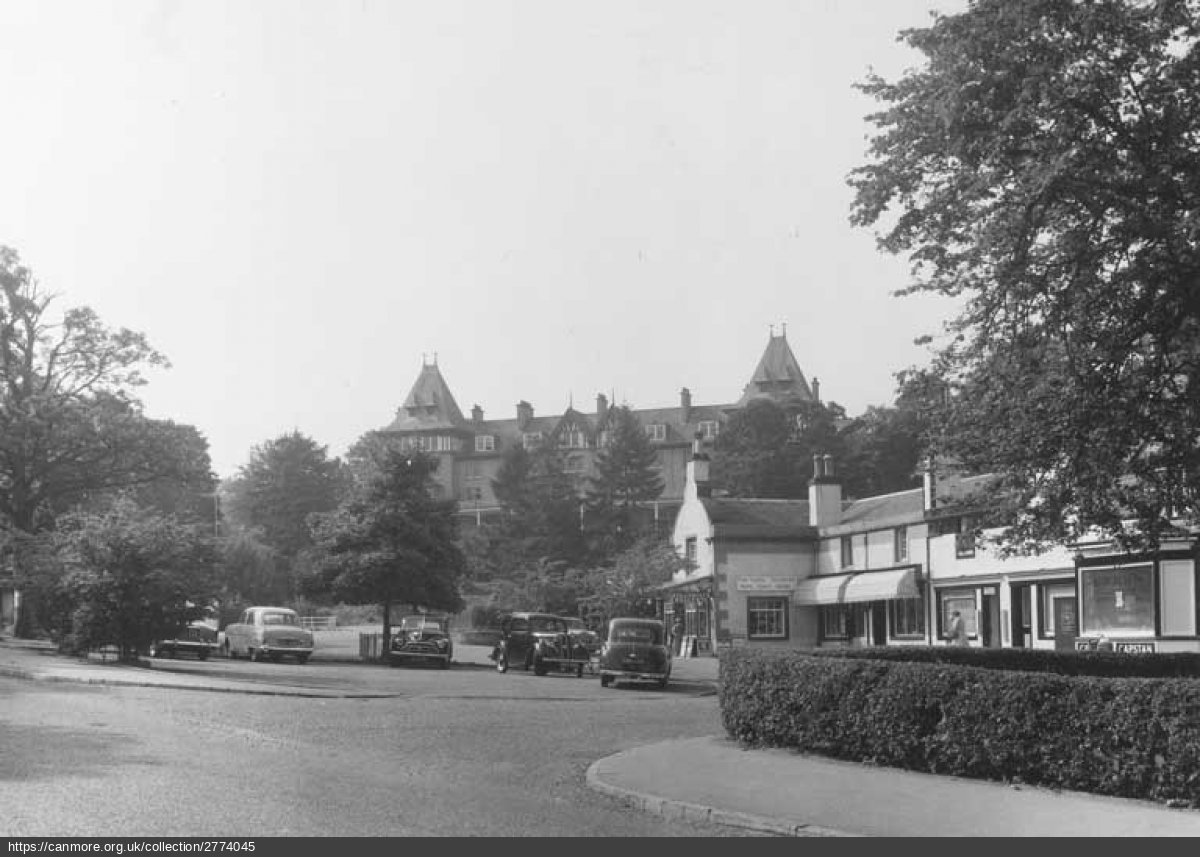
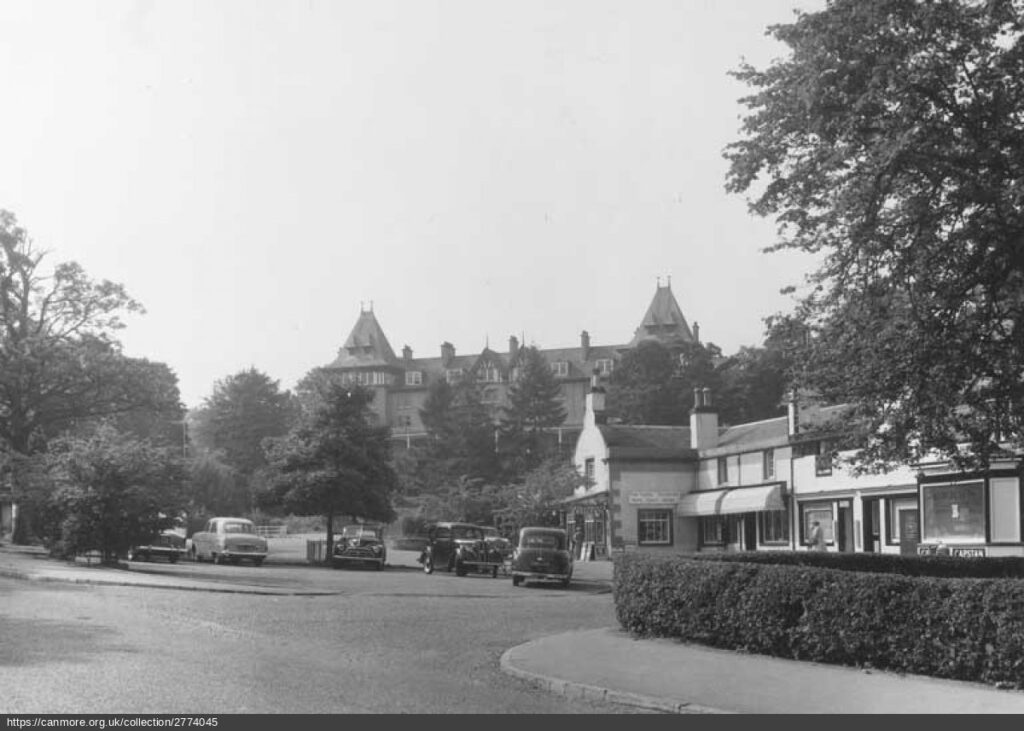 Licensed by St Andrews University Library (Records of the Scottish Cultural Resources Access Network (SCRAN), Edinburgh, Scotland)*
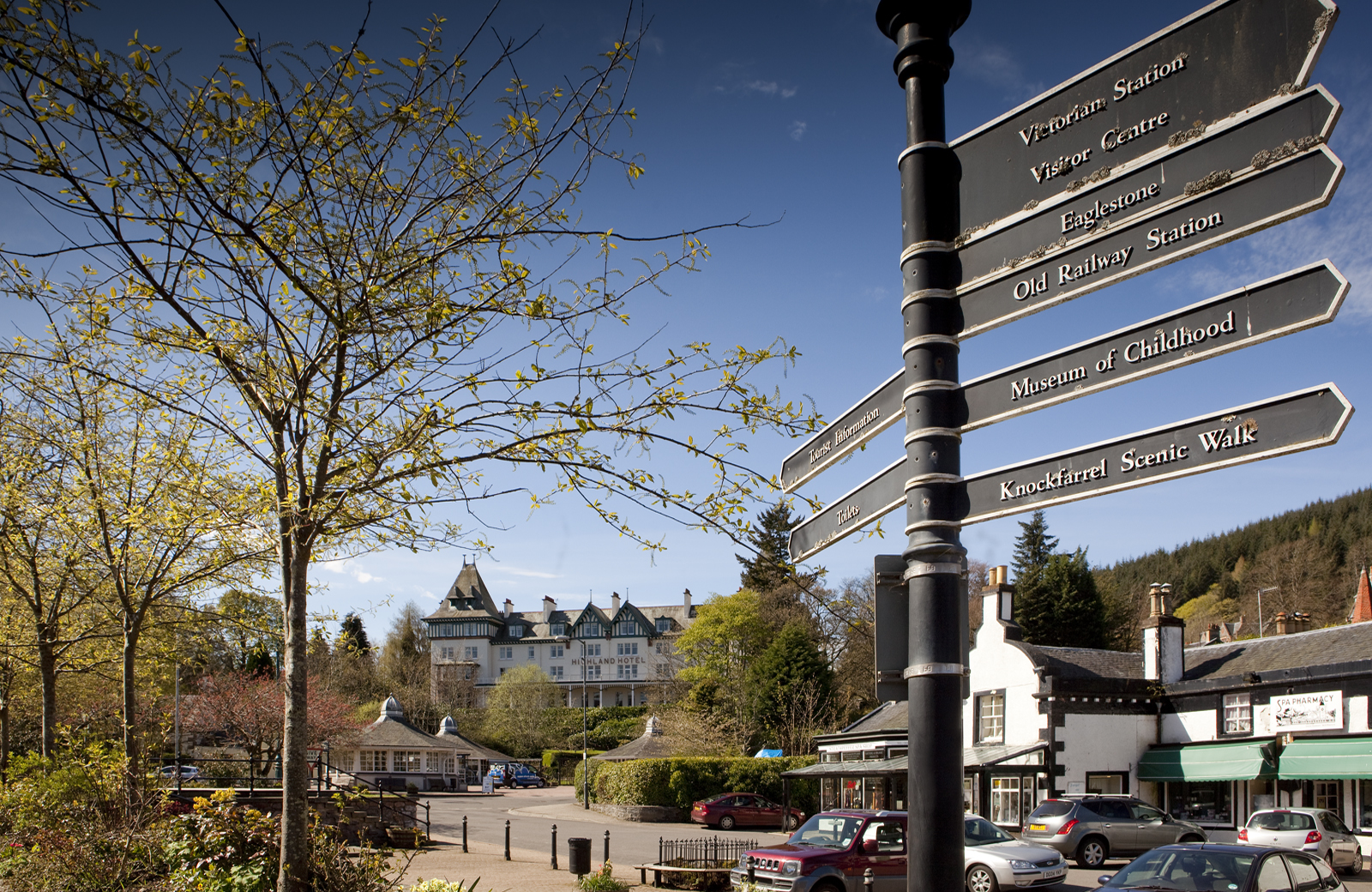
The village square
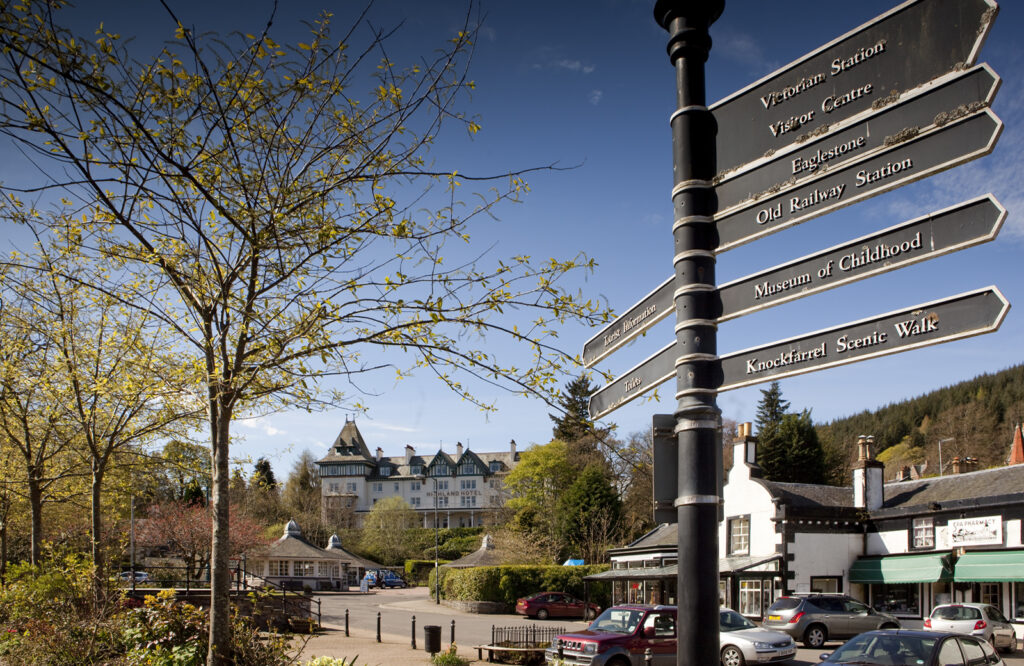
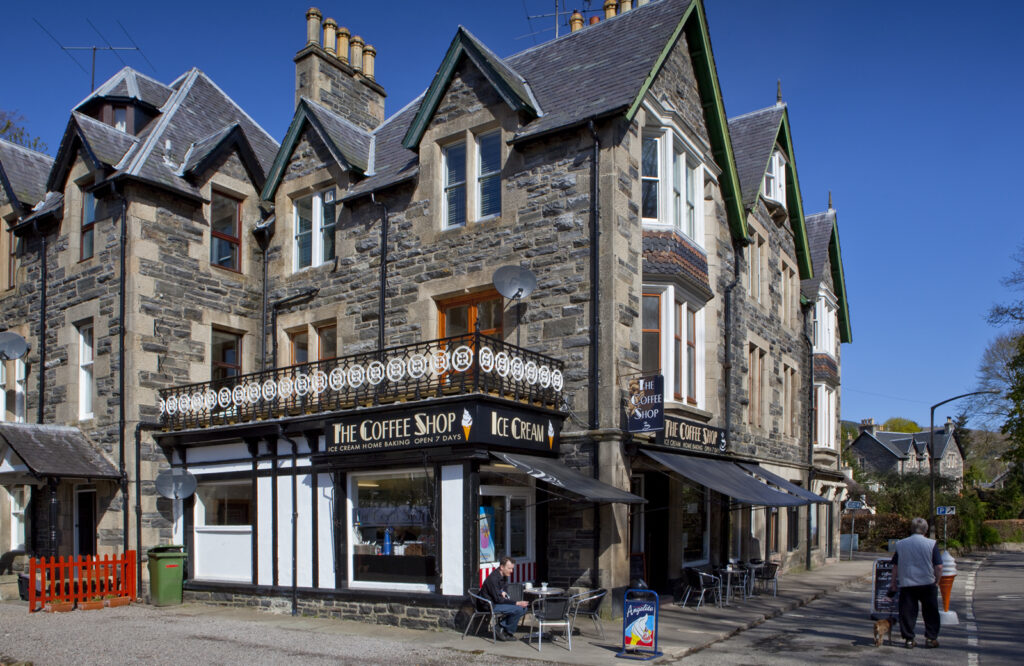
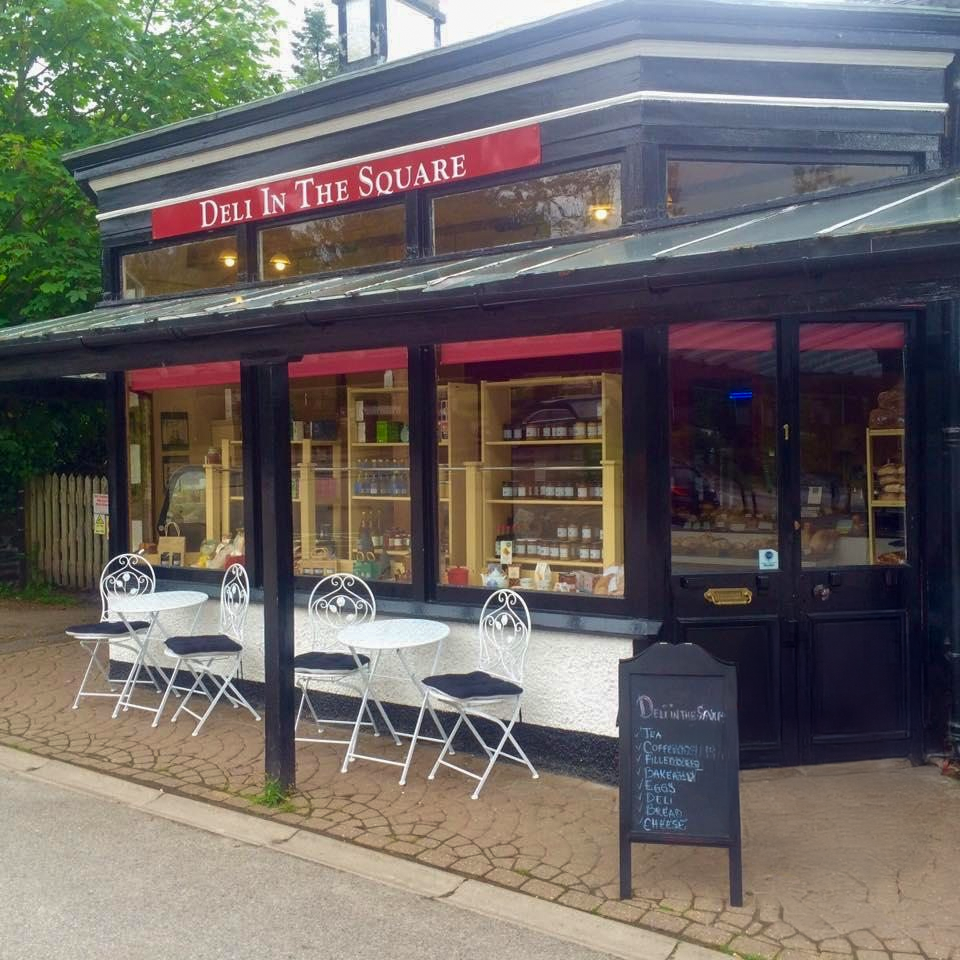
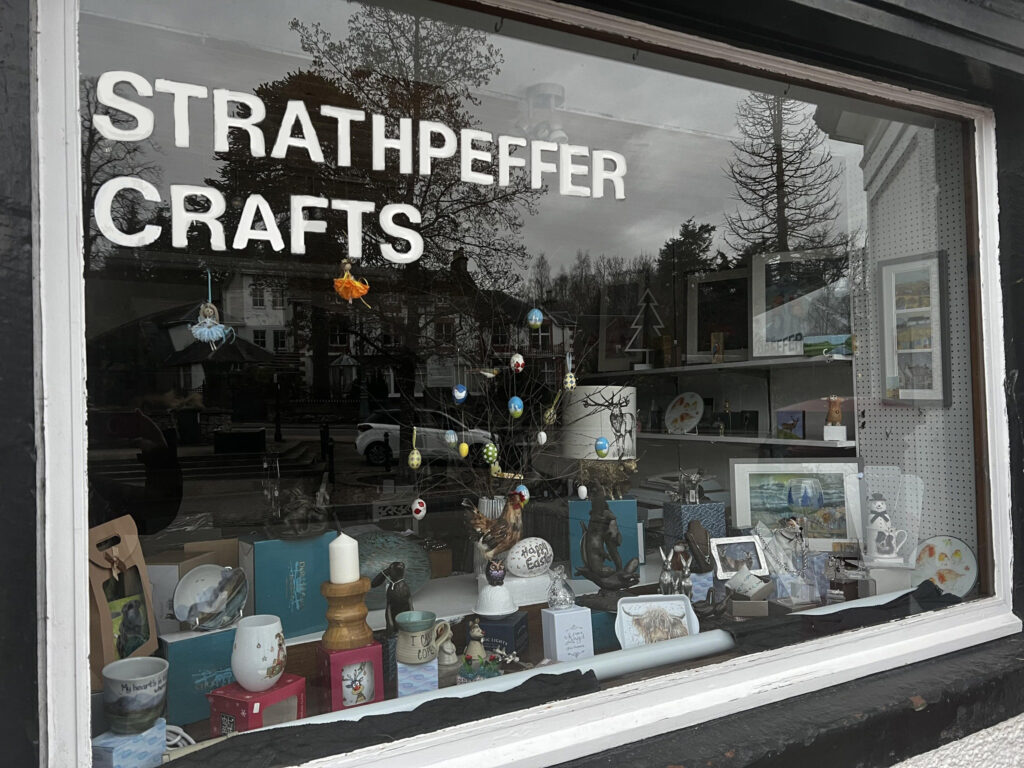
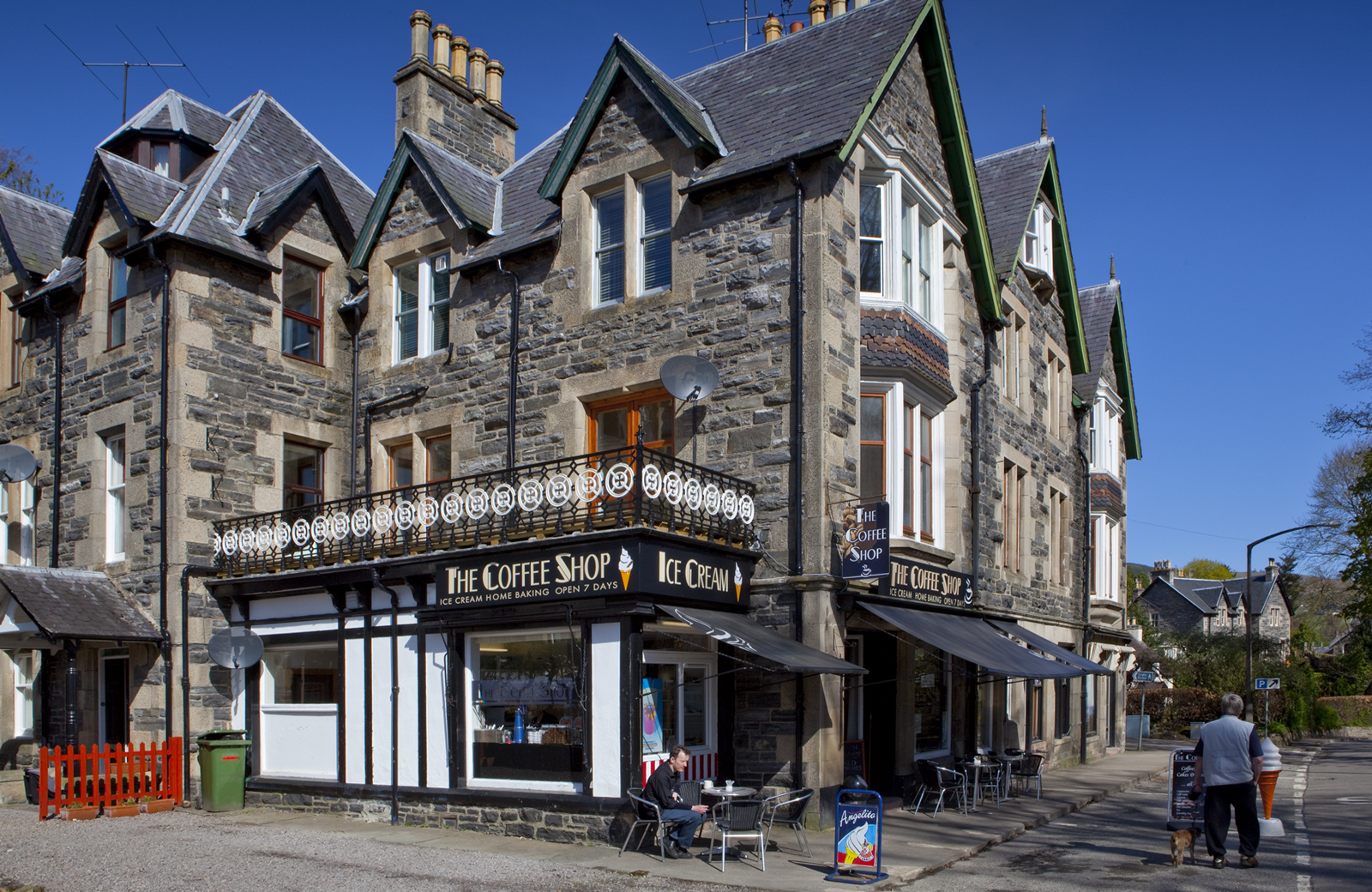
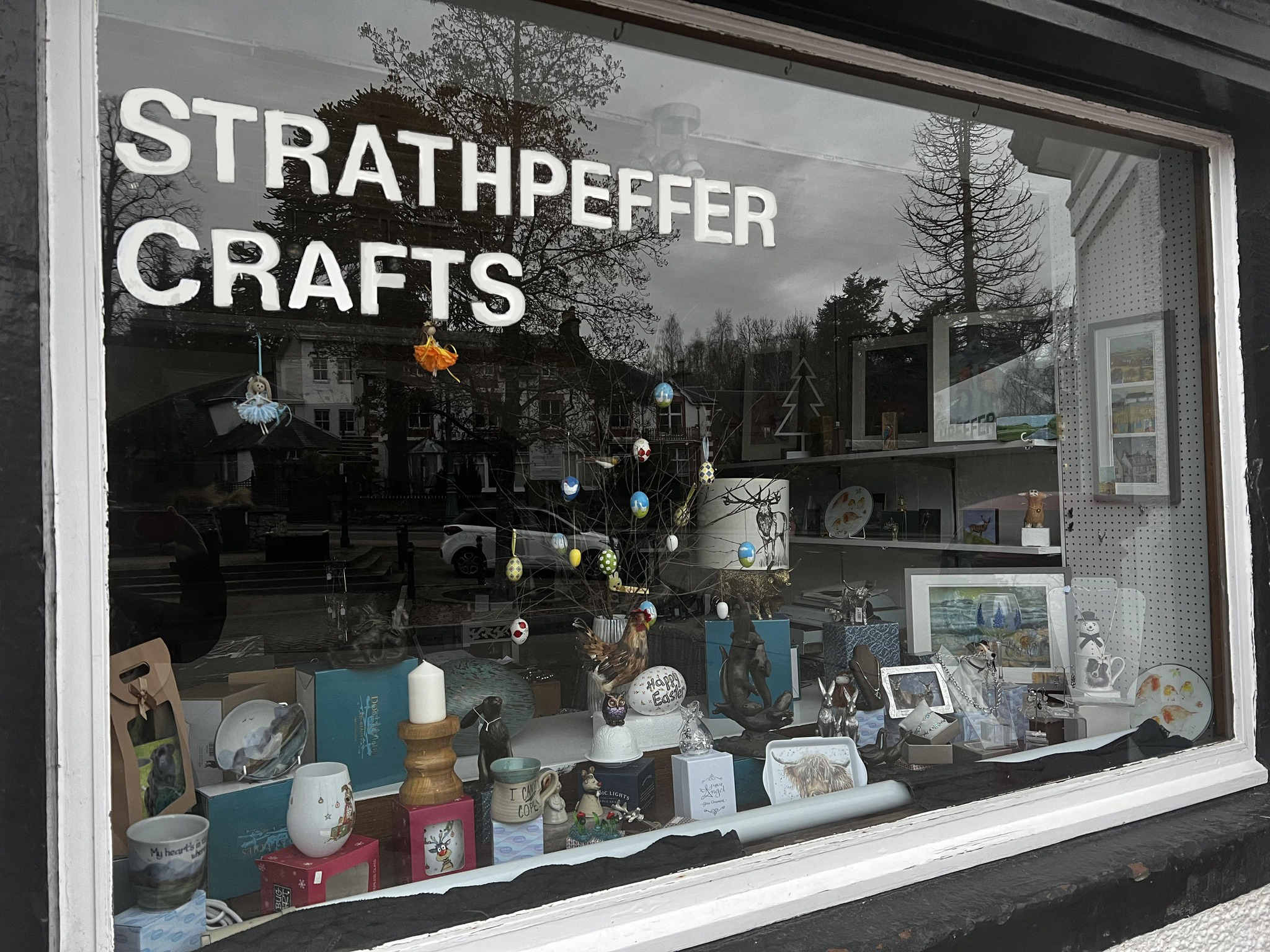
A short walk from Highfield Lodge brings you into the centre of Strathpeffer, where you’ll find a selection of cafés, shops and places to eat.
The Sweetie Jar is a popular stop for traditional sweets and locally made ice cream, while The Deli in the Square and Unwind are both good options for lunch, dinner or a drink.
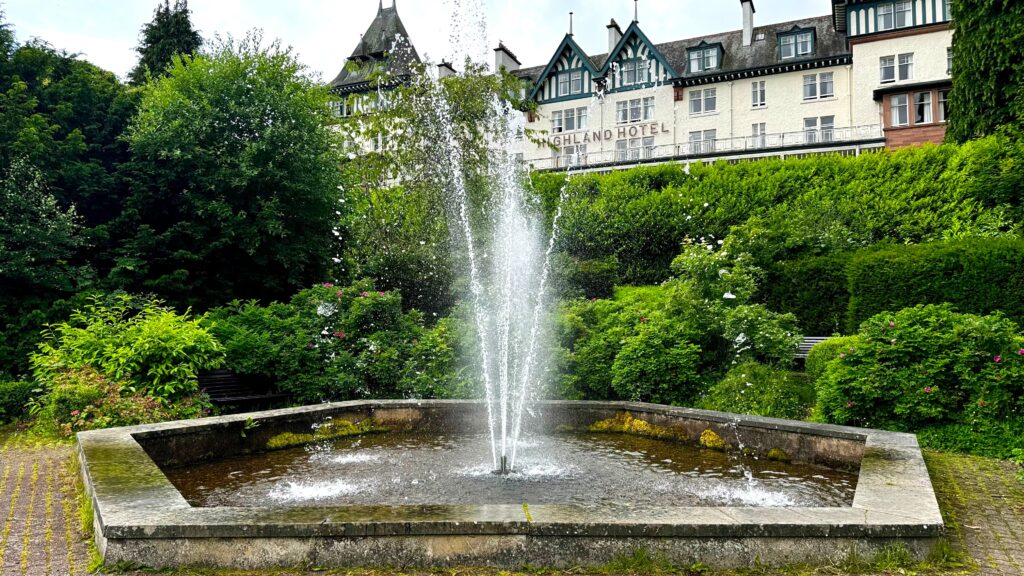
The Pavilion was once frequented by locals for dances before falling into disrepair and being restored to its former glory in 2004. Now run by the community, the building remains one of Strathpeffer’s most recognisable landmarks. Its neighbouring gardens include wooden carvings, tennis courts, a bowling club and a Victorian-style bandstand.
The village square
A short walk from Highfield Lodge brings you into the centre of Strathpeffer, where you’ll find a selection of cafés, shops and places to eat.
The Sweetie Jar is a popular stop for traditional sweets and locally made ice cream, while The Deli in the Square and Unwind are both good options for lunch, dinner or a drink.
The Pavilion was once frequented by locals for dances before falling into disrepair and being restored to its former glory in 2004. Now run by the community, the building remains one of Strathpeffer’s most recognisable landmarks. Its neighbouring gardens include wooden carvings, tennis courts, a bowling club and a Victorian-style bandstand.
History at every step
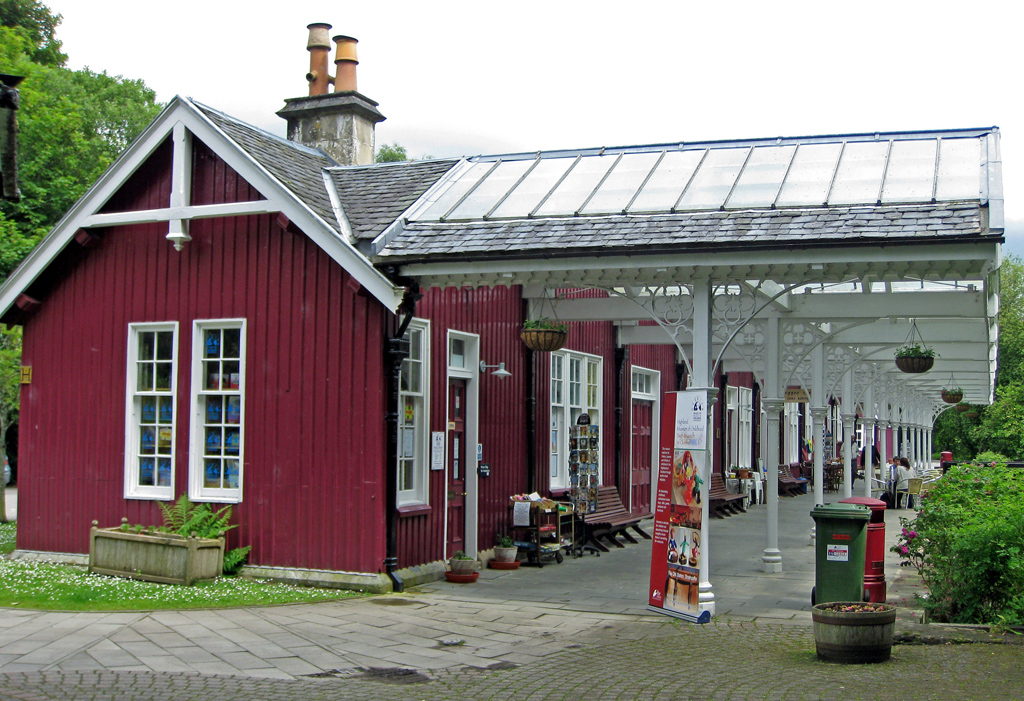
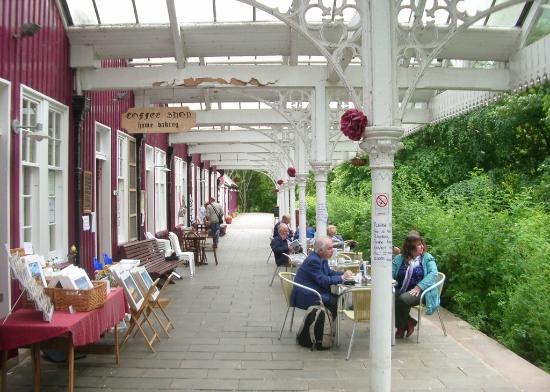
Strathpeffer Railway Station was built in 1885 to serve the growing Victorian spa village, bringing visitors who came to take the waters and enjoy the Highland surroundings. The restored station now includes the Highland Museum of Childhood, where traditional toys, local stories and railway memorabilia give a glimpse into growing up in the Highlands.
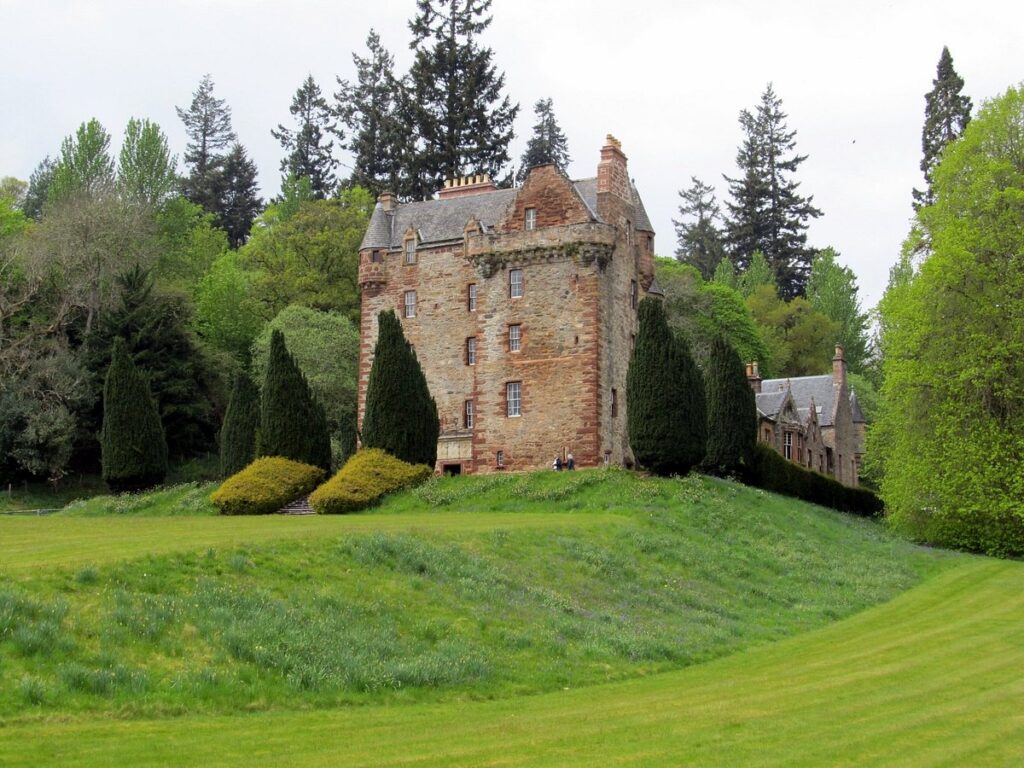
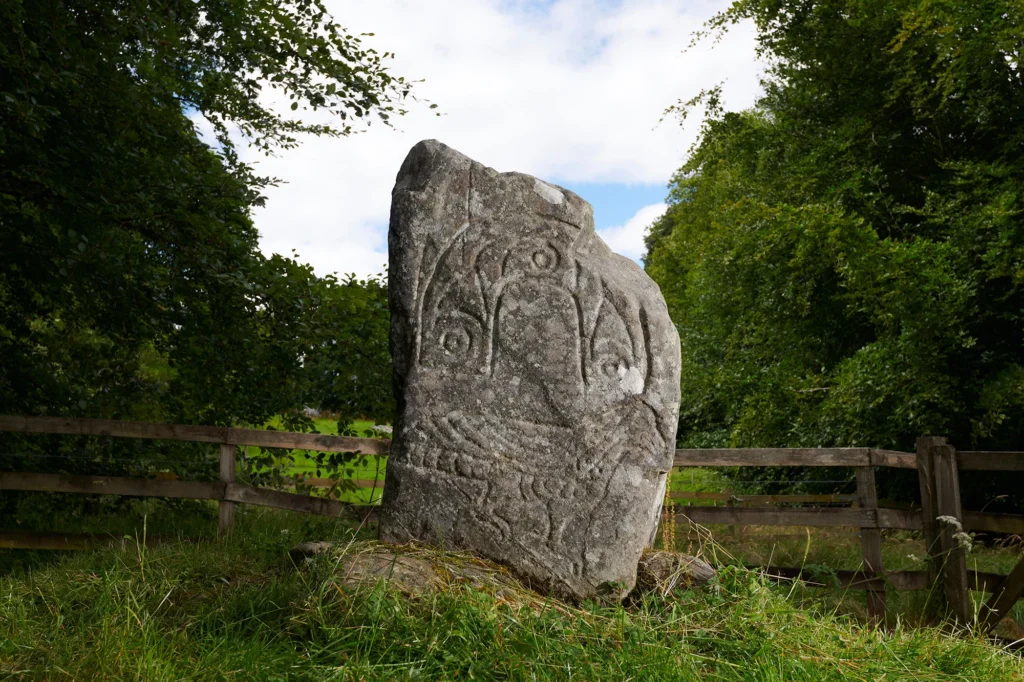
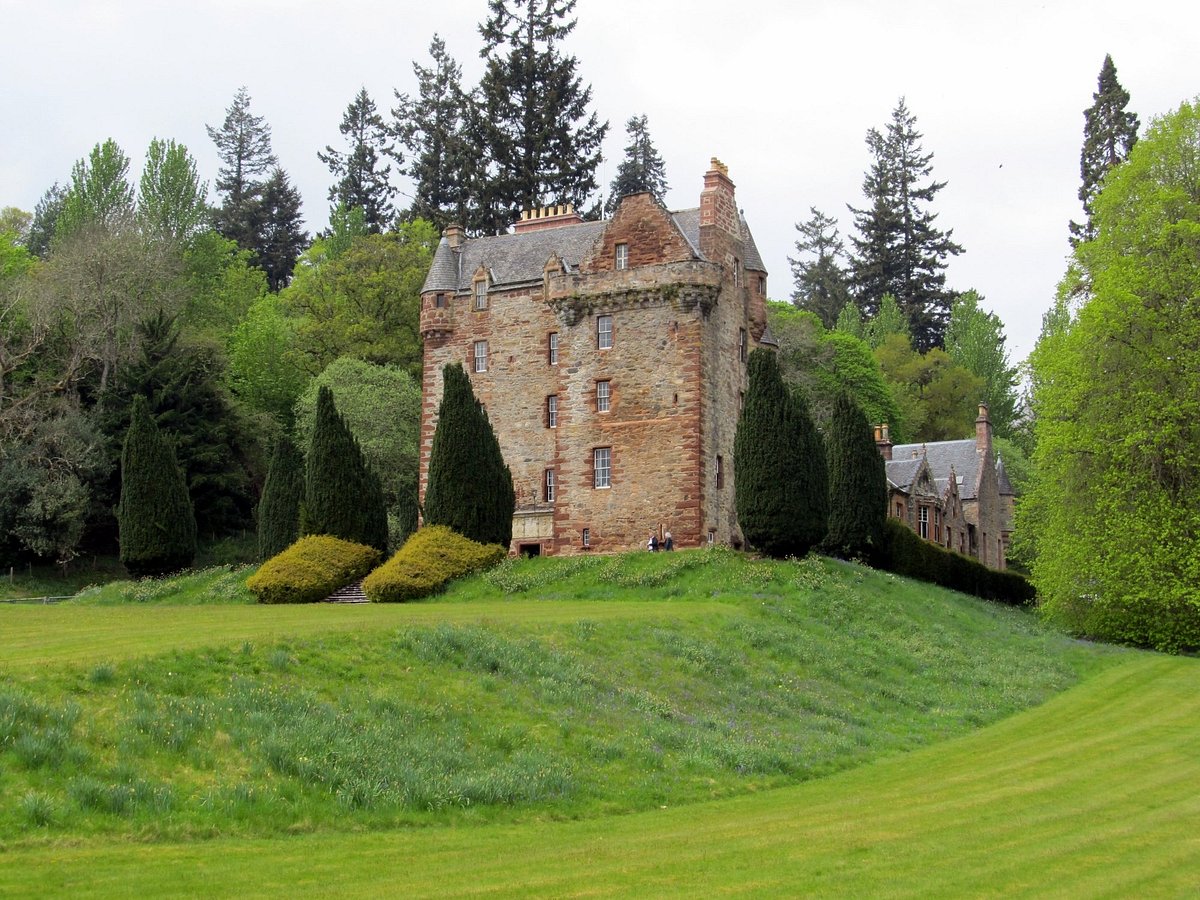
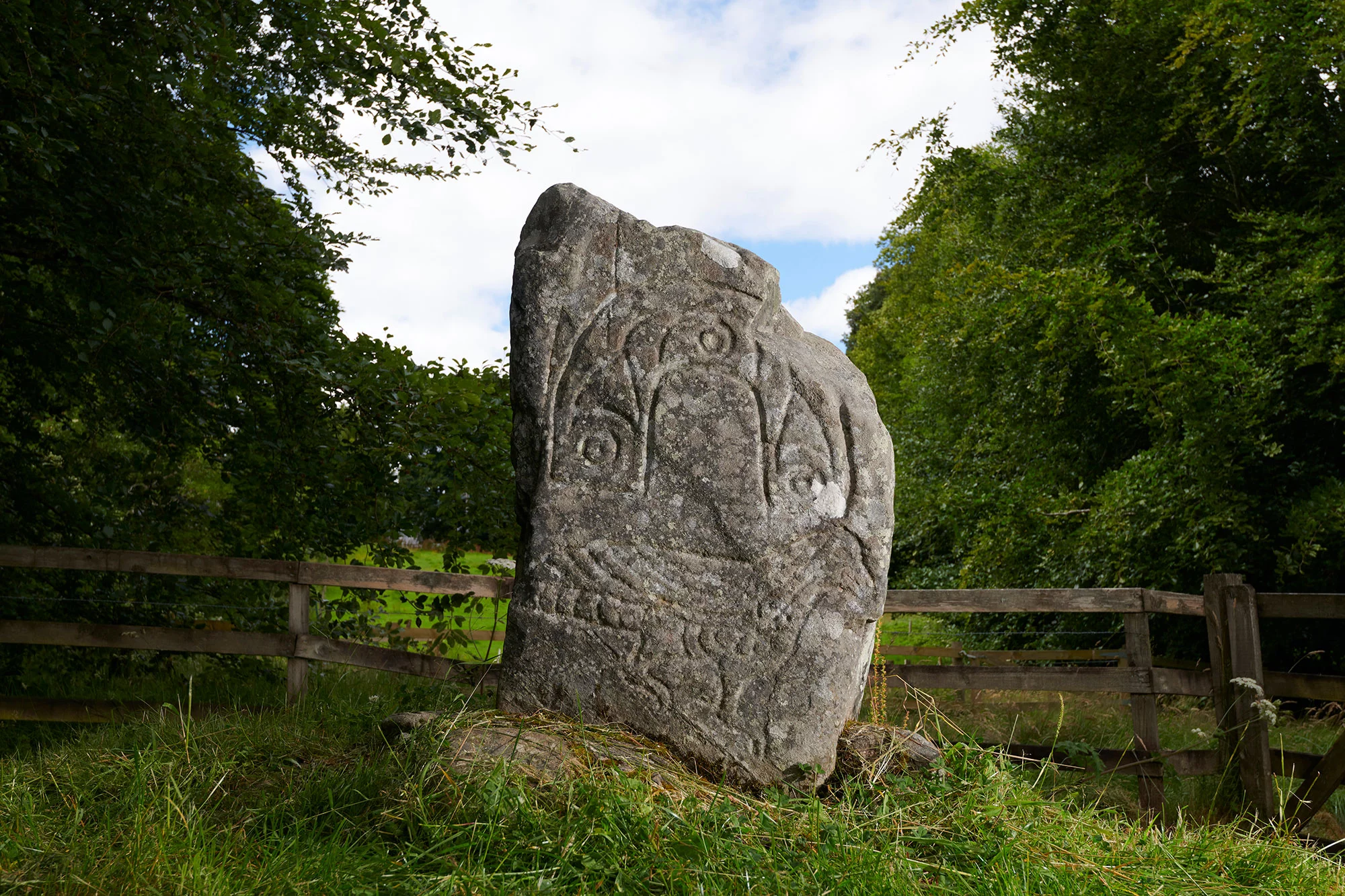
The Eagle Stone is one of Strathpeffer’s most intriguing historic landmarks, a Pictish symbol stone linked to the prophecies of the Brahan Seer. Saint Anne’s Episcopal Church is also worth noting for its stained glass, carved woodwork and distinctive bell tower, while Castle Leod has been home to the Clan Mackenzie for more than 500 years and remains closely tied to the history of the village.
History at every step
Strathpeffer Railway Station was built in 1885 to serve the growing Victorian spa village, bringing visitors who came to take the waters and enjoy the Highland surroundings. The restored station now includes the Highland Museum of Childhood, where traditional toys, local stories and railway memorabilia give a glimpse into growing up in the Highlands.
The Eagle Stone is one of Strathpeffer’s most intriguing historic landmarks, a Pictish symbol stone linked to the prophecies of the Brahan Seer. Saint Anne’s Episcopal Church is also worth noting for its stained glass, carved woodwork and distinctive bell tower, while Castle Leod has been home to the Clan Mackenzie for more than 500 years and remains closely tied to the history of the village.
Step outside
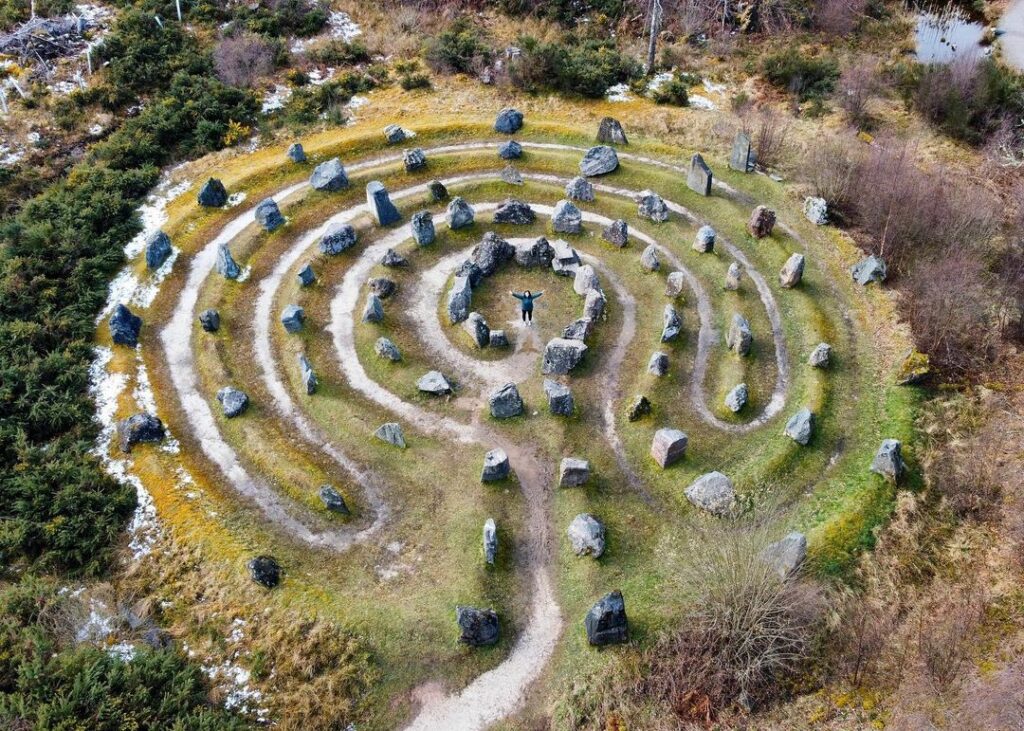
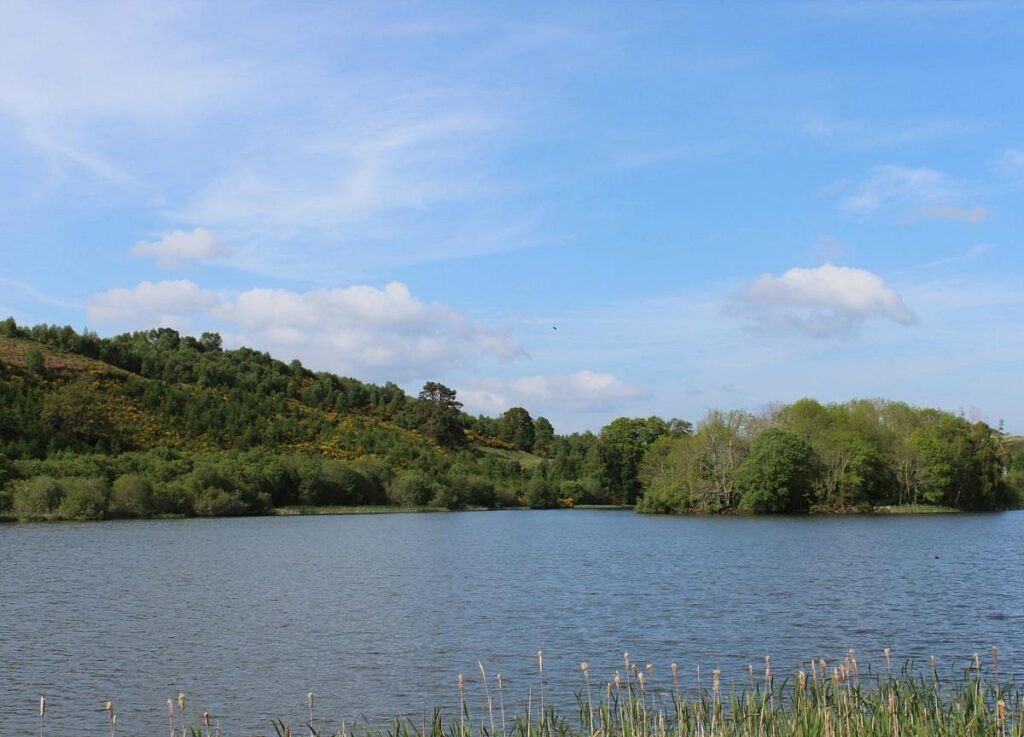
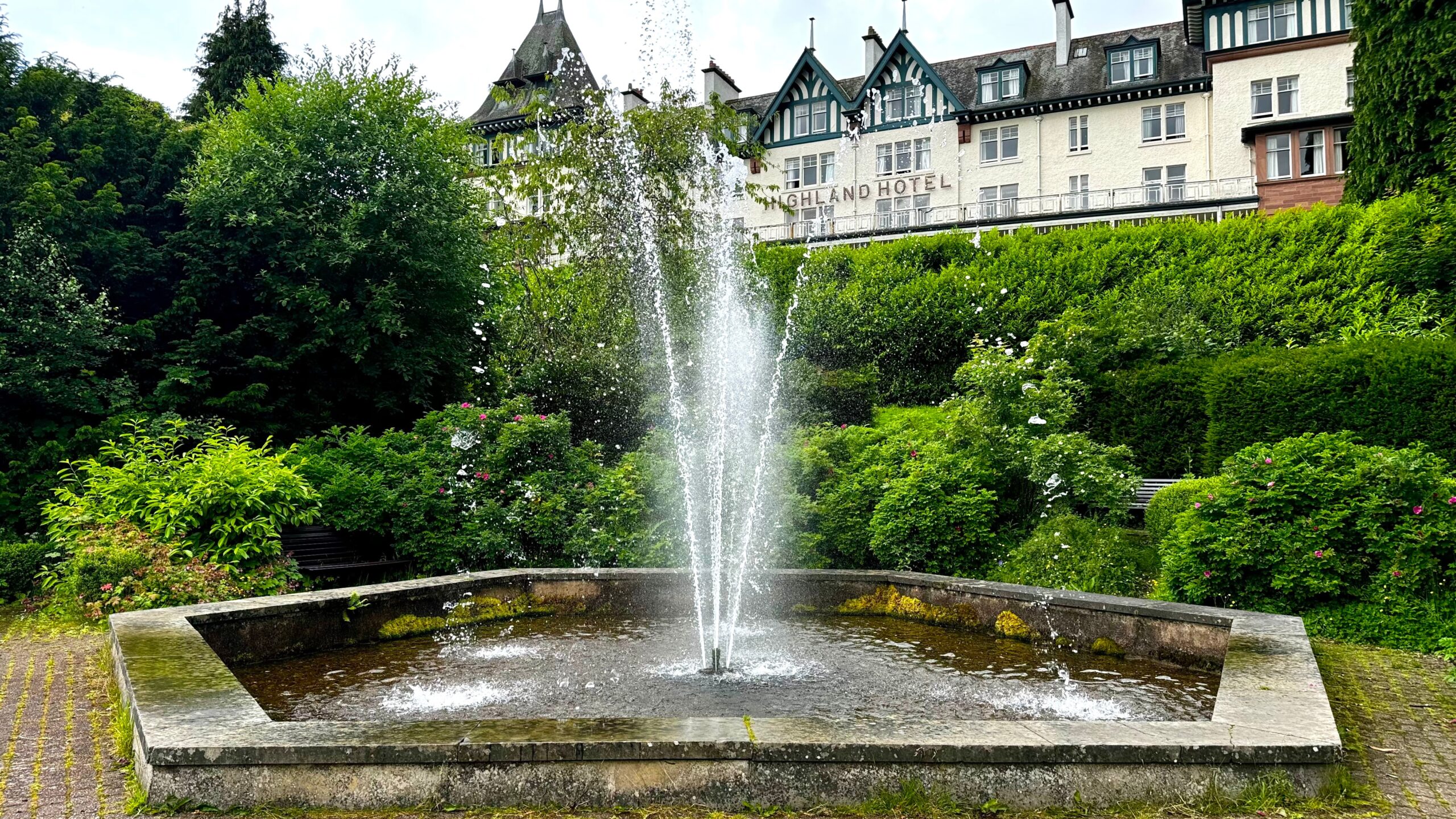
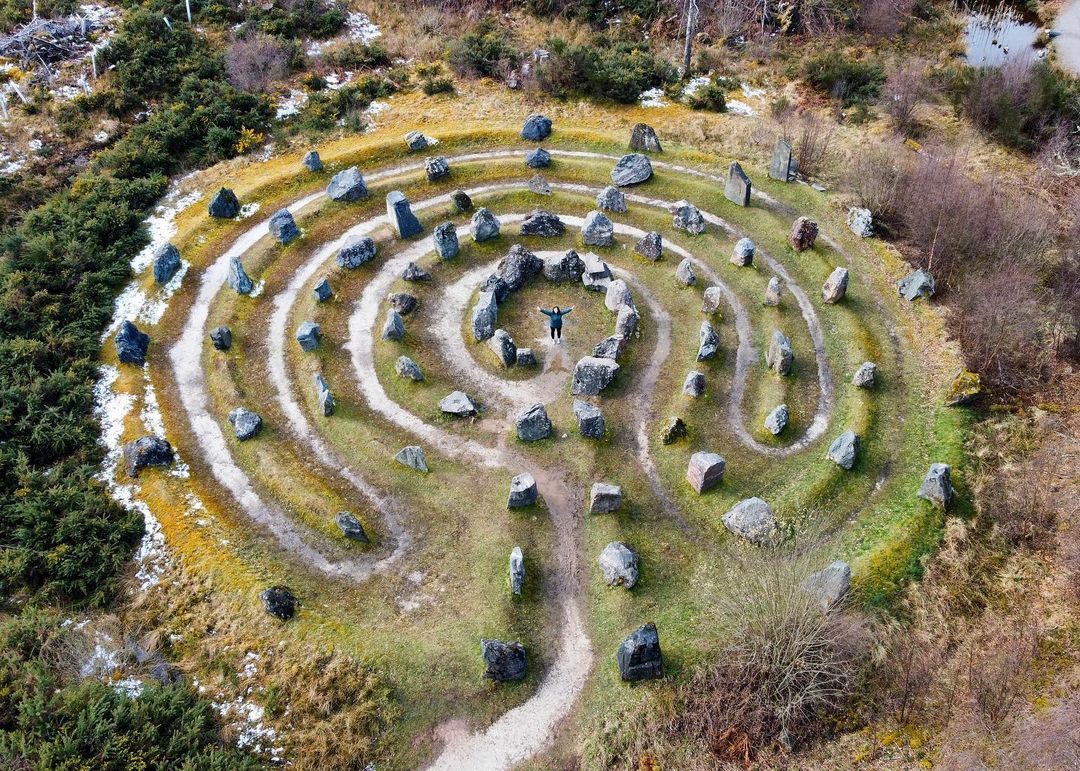
Strathpeffer is surrounded by woodland, with paths leading towards Blackmuir Wood, the Touchstone Maze, Knockfarrel and Loch Kinellan. The Touchstone Maze is made from more than eighty ancient rocks gathered from across northern Scotland and sits above the village with views towards Ben Wyvis.
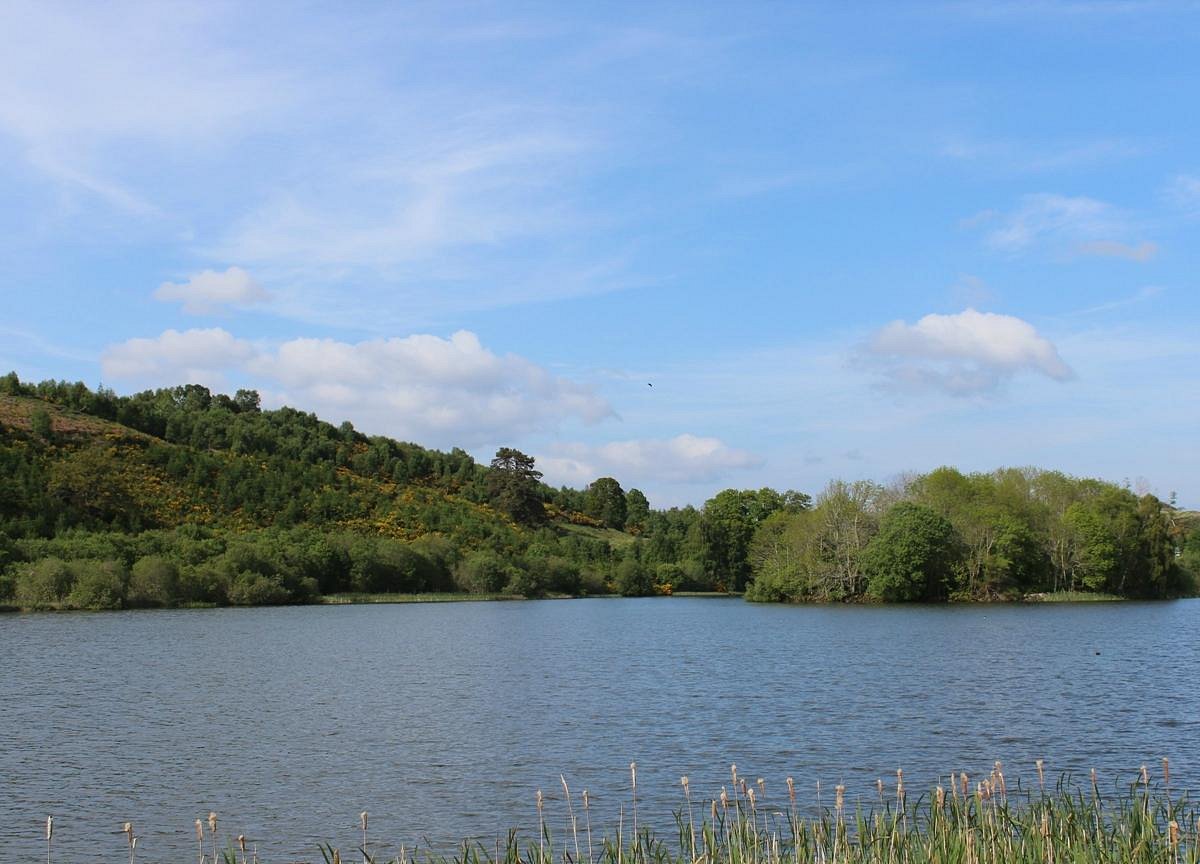
Knockfarrel is the site of an Iron Age hill fort, while Loch Kinellan is one of Strathpeffer’s most scenic local walks, with a prehistoric crannog in the loch and routes continuing towards Contin and the surrounding forest trails.
Step outside
Strathpeffer is surrounded by woodland, with paths leading towards Blackmuir Wood, the Touchstone Maze, Knockfarrel and Loch Kinellan. The Touchstone Maze is made from more than eighty ancient rocks gathered from across northern Scotland and sits above the village with views towards Ben Wyvis.
Knockfarrel is the site of an Iron Age hill fort, while Loch Kinellan is one of Strathpeffer’s most scenic local walks, with a prehistoric crannog in the loch and routes continuing towards Contin and the surrounding forest trails.
More to explore
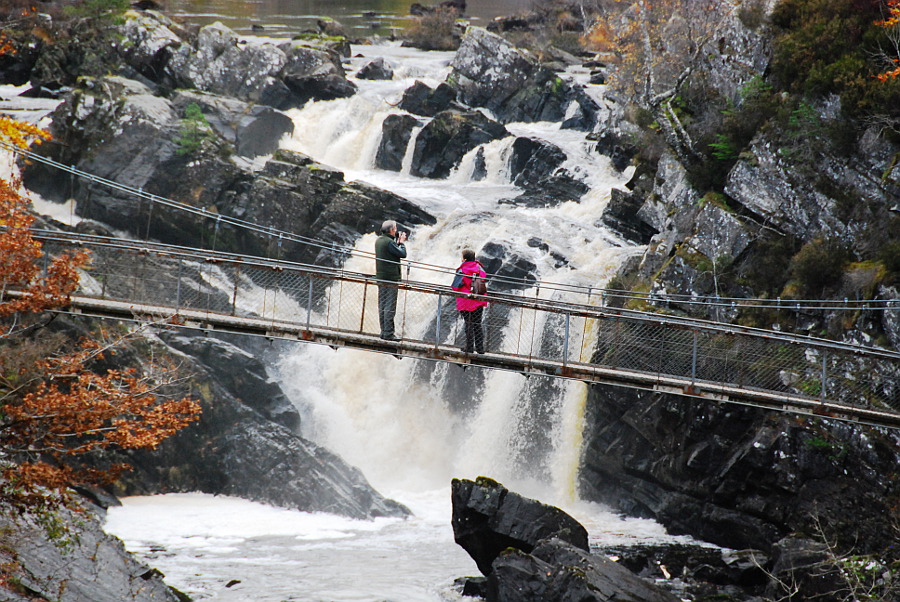
Rogie Falls is a short drive from Strathpeffer, where the Black Water runs through rocky falls beneath the suspension bridge. During the salmon season, visitors can often see fish making their way upstream through the rushing water.
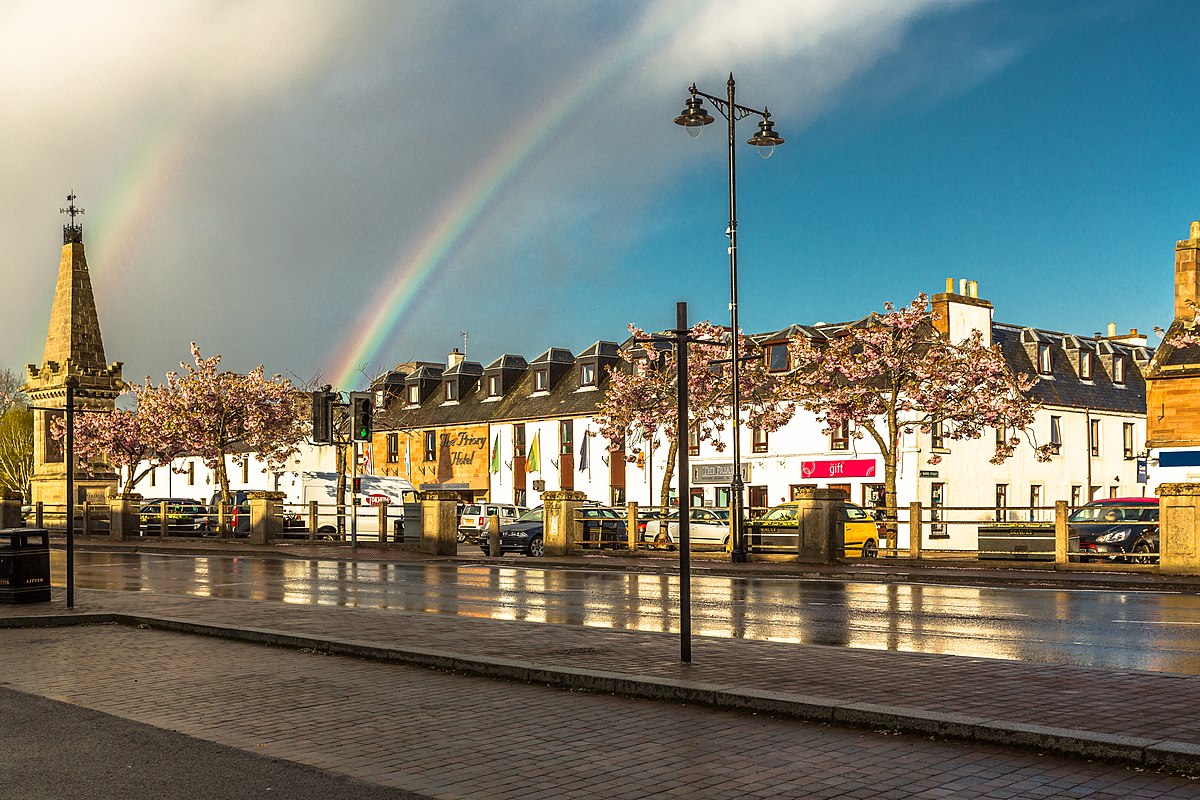
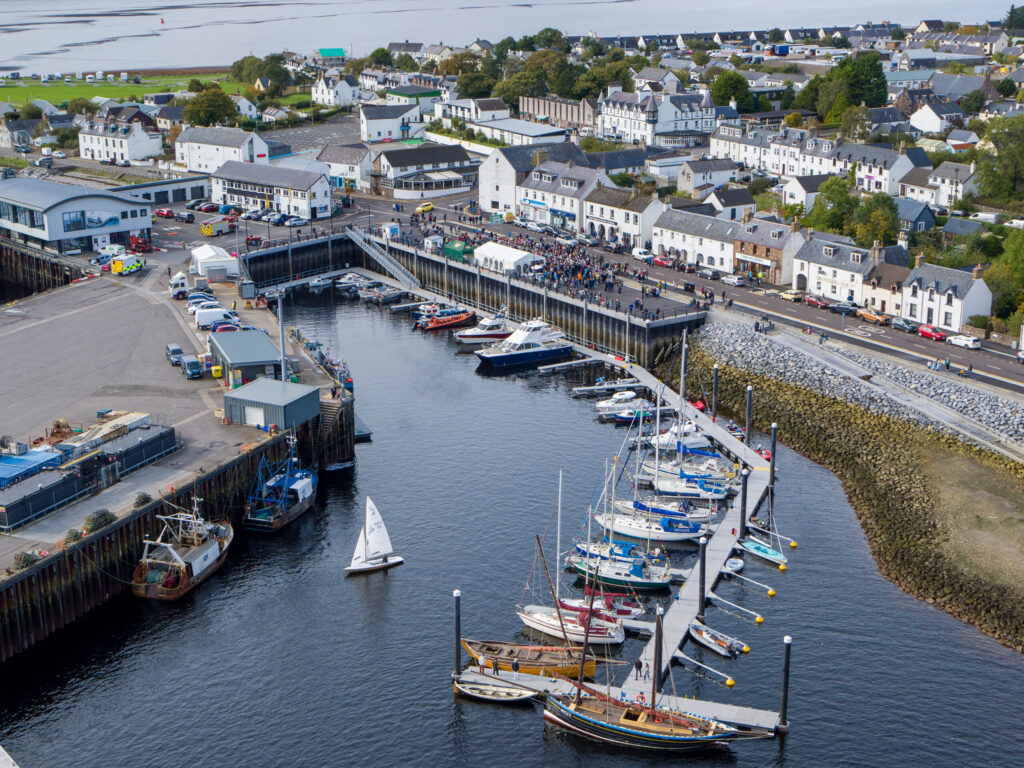
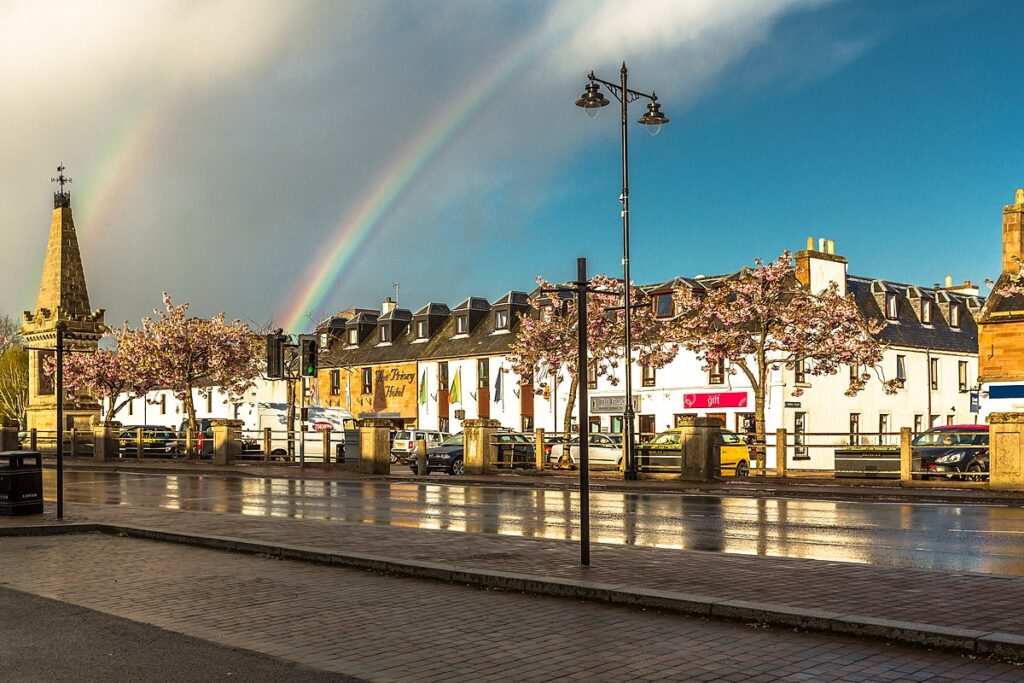
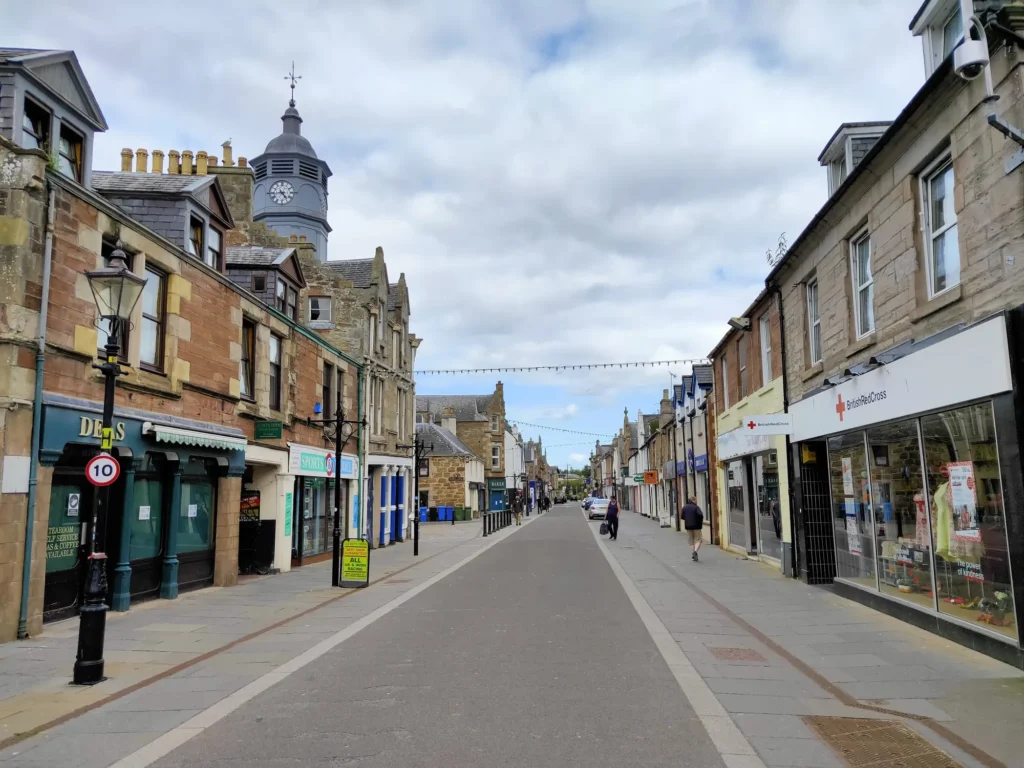
Dingwall is close by and has a long history as a market town, with its name taken from the Norse Thingvoll, meaning meeting place. Beauly is another good day out, with independent shops, cafés and the ruins of Beauly Priory set within a wooded riverside setting.
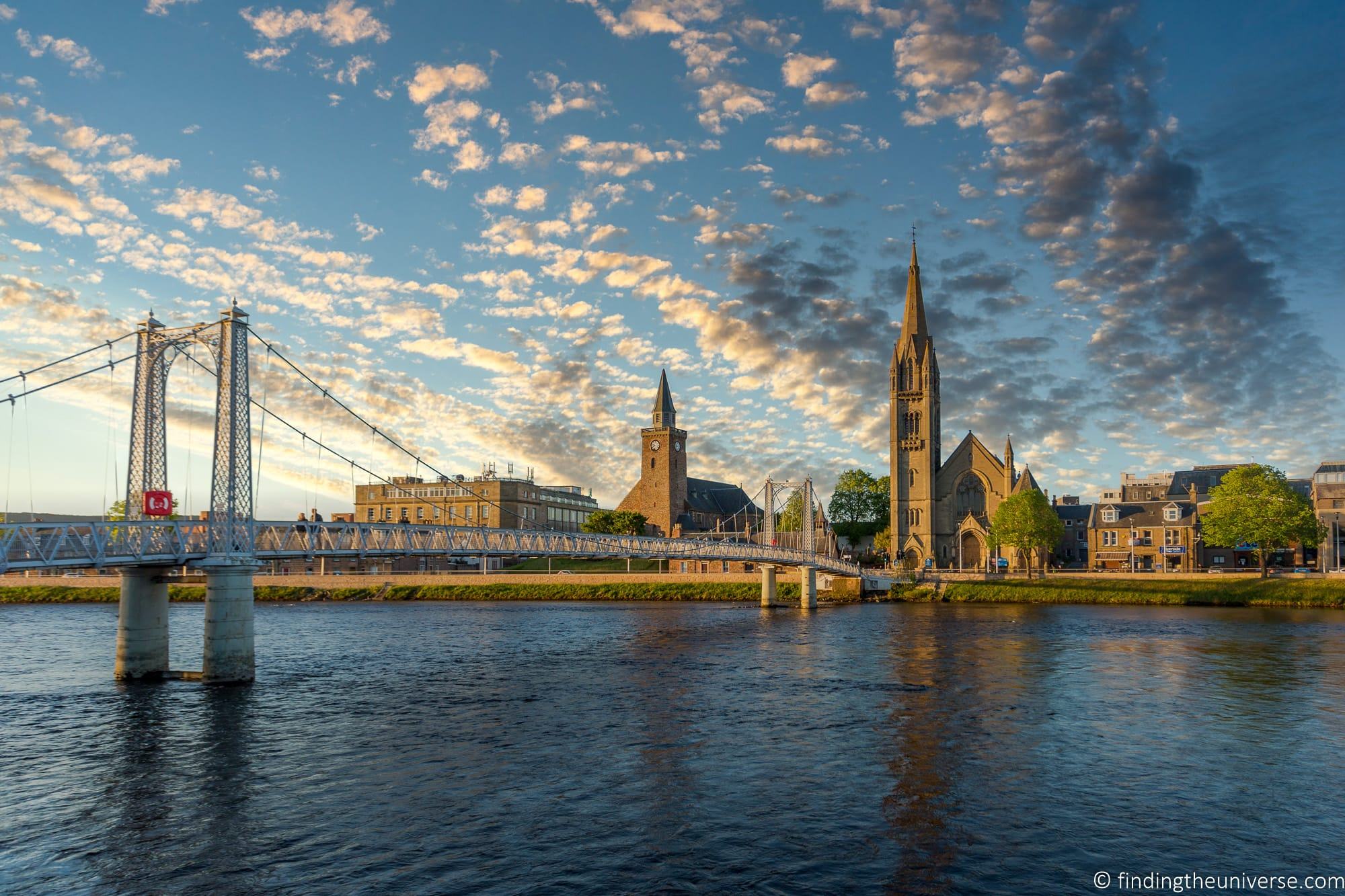
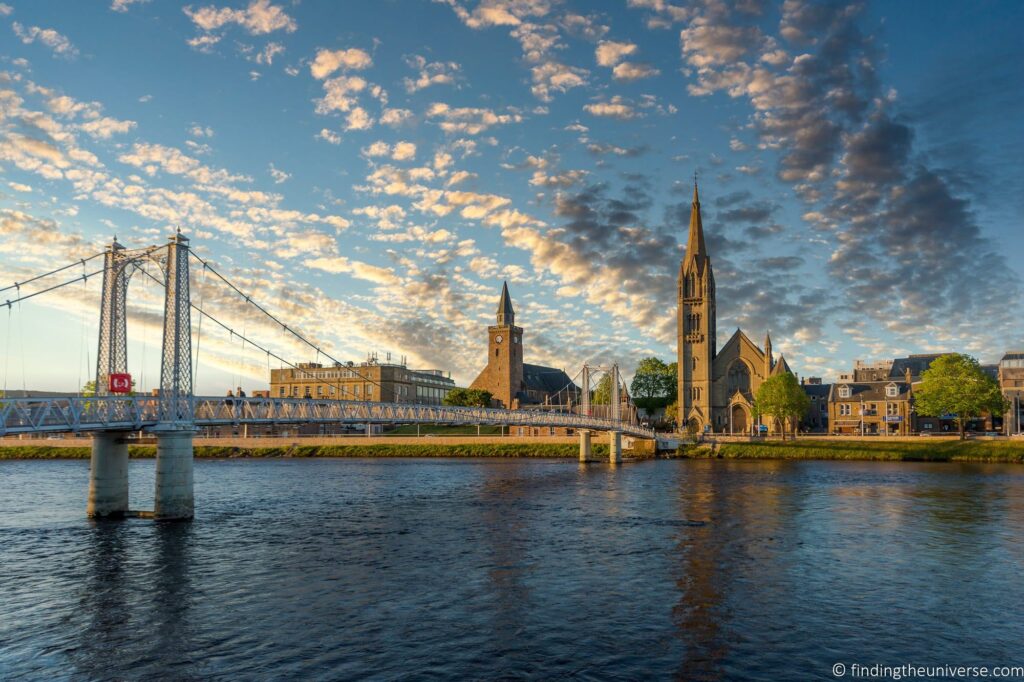
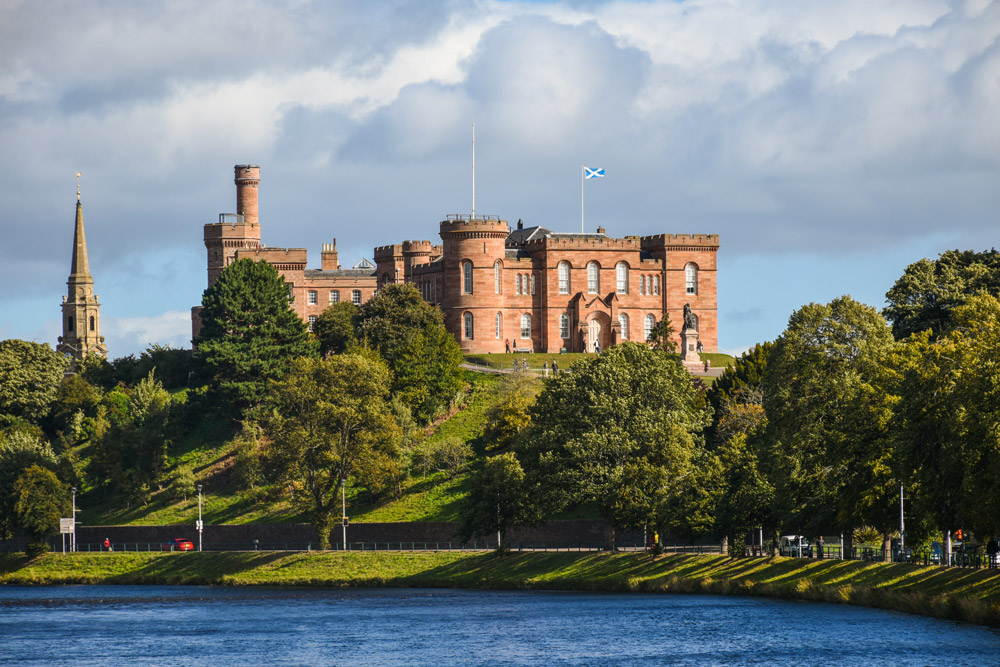
Inverness is around half an hour away, with the Victorian Market, River Ness, Ness Islands, Inverness Cathedral and Leakey’s Bookshop all within the city centre. Loch Ness, Urquhart Castle and Culloden Battlefield are also within reach for those looking to spend a fuller day exploring.
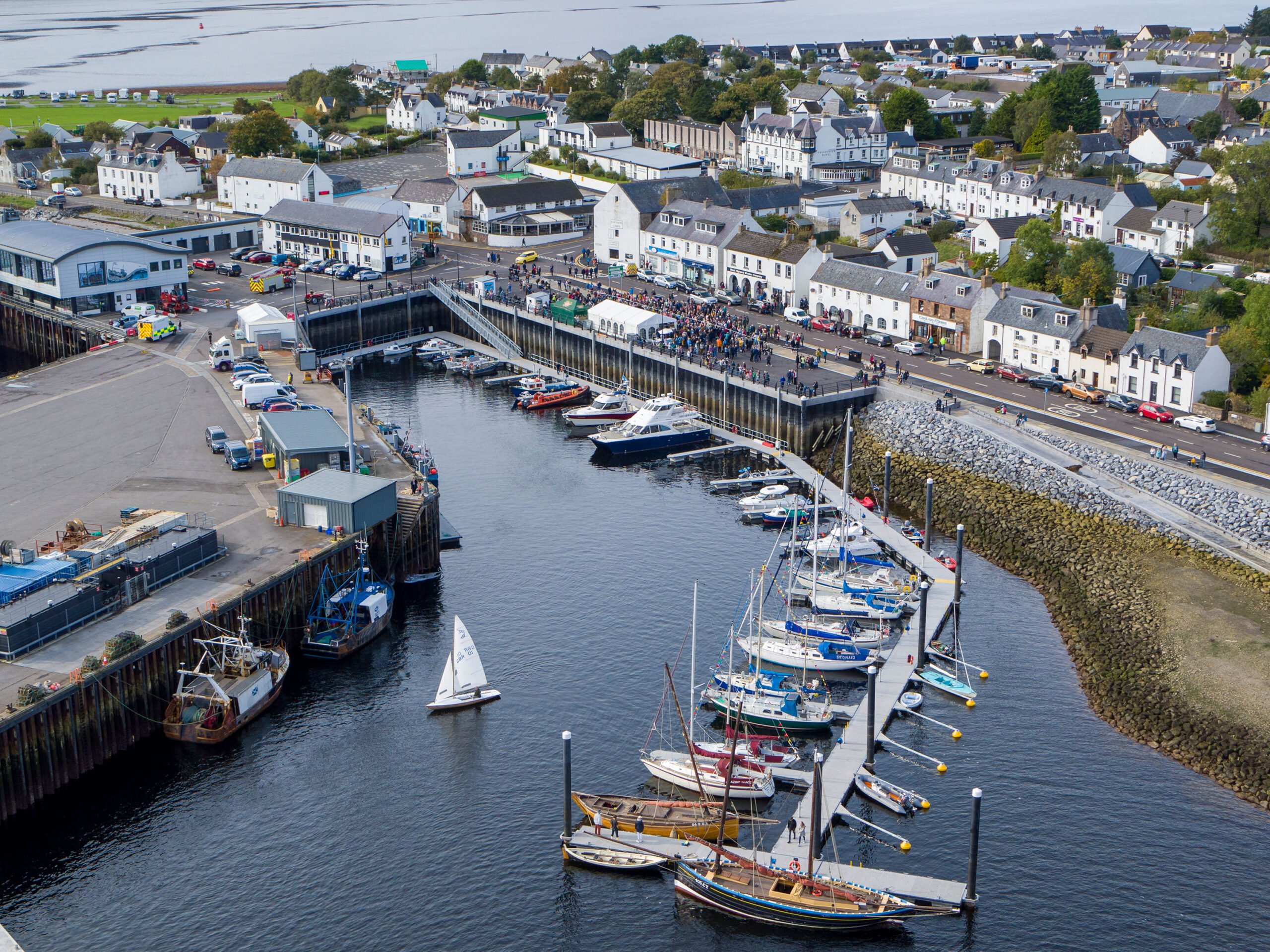
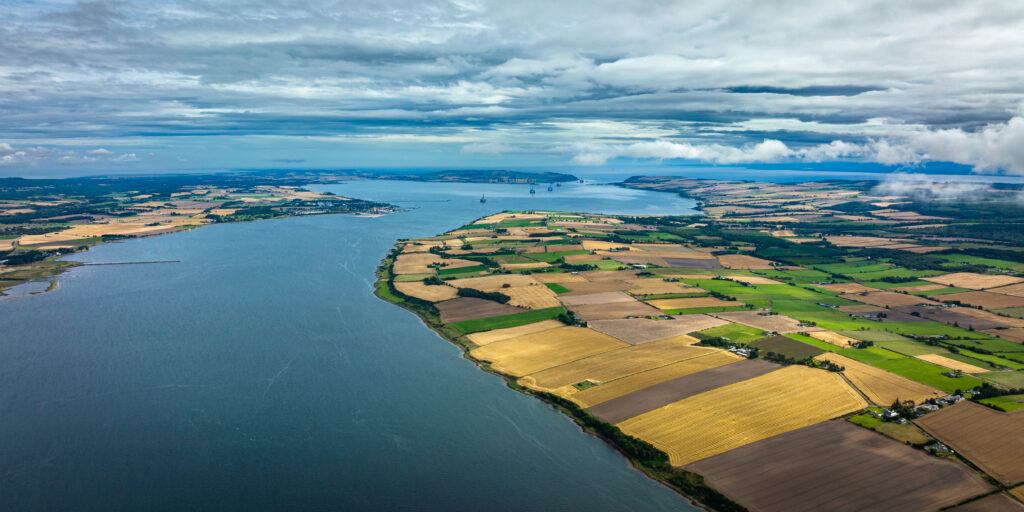
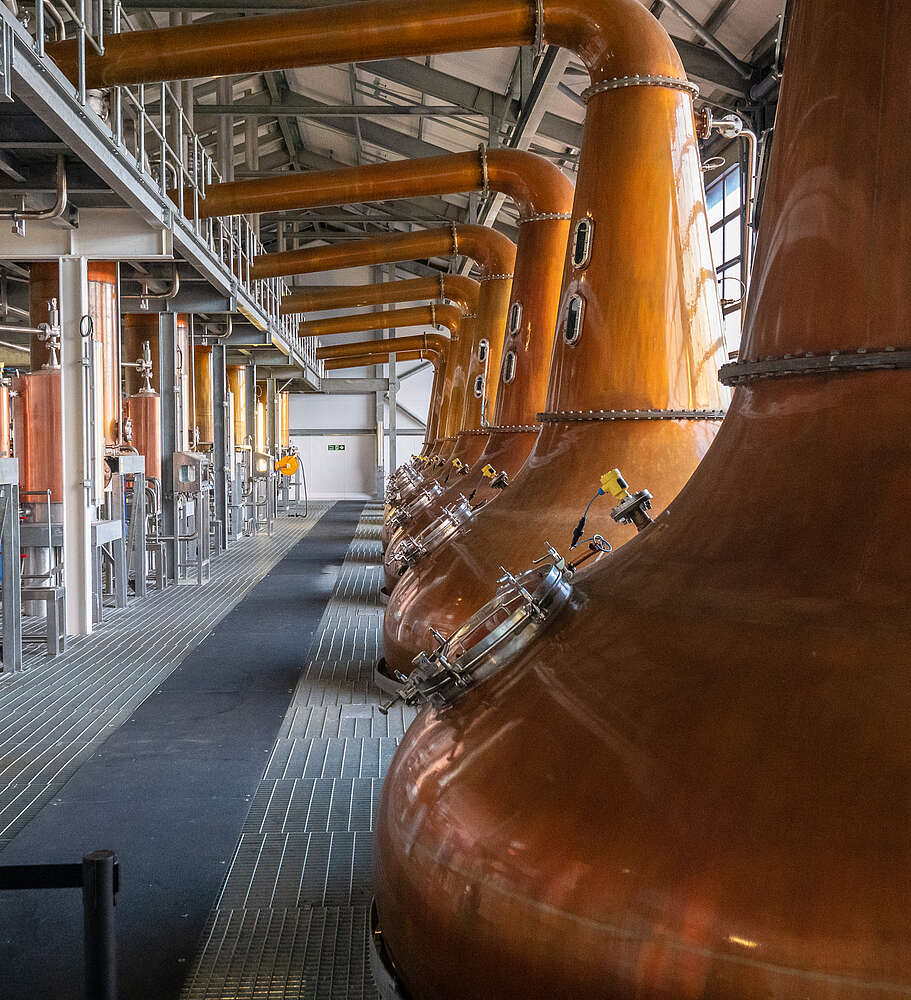
Further afield, Ullapool lies to the west and Dornoch to the north, while whisky lovers will find several distilleries across the wider Highlands, including Glen Ord near Muir of Ord and Glenmorangie near Tain.
More to explore
Rogie Falls is a short drive from Strathpeffer, where the Black Water runs through rocky falls beneath the suspension bridge. During the salmon season, visitors can often see fish making their way upstream through the rushing water.
Dingwall is close by and has a long history as a market town, with its name taken from the Norse Thingvoll, meaning meeting place. Beauly is another good day out, with independent shops, cafés and the ruins of Beauly Priory set within a wooded riverside setting.
Inverness is around half an hour away, with the Victorian Market, River Ness, Ness Islands, Inverness Cathedral and Leakey’s Bookshop all within the city centre. Loch Ness, Urquhart Castle and Culloden Battlefield are also within reach for those looking to spend a fuller day exploring.
Further afield, Ullapool lies to the west and Dornoch to the north, while whisky lovers will find several distilleries across the wider Highlands, including Glen Ord near Muir of Ord and Glenmorangie near Tain.